
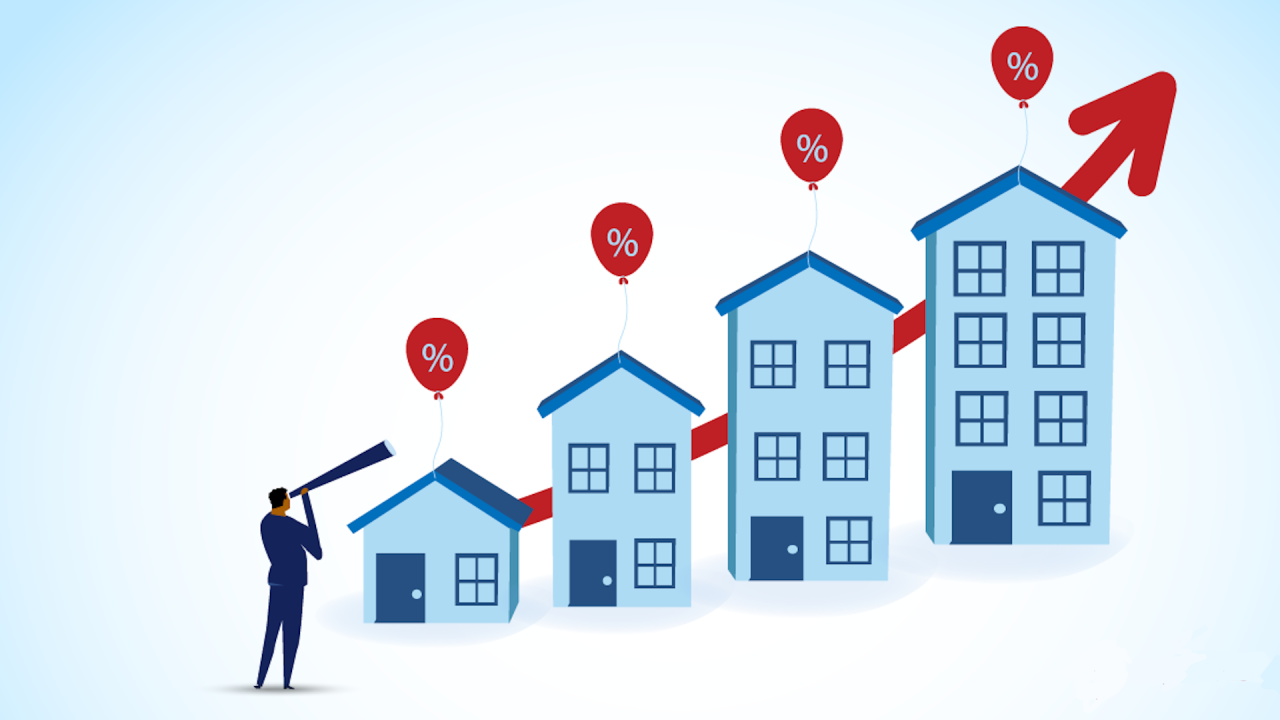
Realty capital commitment may reach Rs 3 trillion in two years
India’s real estate sector is poised for a significant surge in capital commitments, with projections indicating investments could approach ₹3 trillion over the next two years. This anticipated growth reflects renewed confidence among investors, strong demand across segments, and a steadily improving economic environment.
A Sector Regaining Momentum
After navigating a period of uncertainty, the real estate market has rebounded with resilience. Residential sales have picked up in major cities, driven by end-user demand, favorable financing conditions, and a growing preference for home ownership. At the same time, commercial real estate—especially office spaces and warehousing—continues to attract institutional investors seeking stable, long-term returns.
Key Drivers Behind the Investment Surge
Several factors are contributing to this projected capital inflow:
- Rising Urbanization: As more people migrate to urban centers, the demand for housing, retail, and office infrastructure continues to expand.
- Infrastructure Development: Government-led initiatives such as smart cities, metro expansions, and improved connectivity are boosting real estate prospects in both metro and tier-2 cities.
- Regulatory Transparency: Reforms have improved transparency and accountability, making the sector more attractive to both domestic and global investors.
- Growth of Alternative Assets: Segments like co-living, co-working, logistics parks, and data centers are opening new avenues for capital deployment.
Institutional and Global Interest
Private equity firms, sovereign wealth funds, and real estate investment trusts (REITs) are expected to play a major role in this capital expansion. Global investors, in particular, are increasingly viewing India as a high-growth market with strong long-term fundamentals. Strategic partnerships between developers and institutional investors are becoming more common, enabling large-scale project execution.
Focus on Sustainability and Technology
Another defining trend is the growing emphasis on sustainable and tech-enabled developments. Green buildings, energy-efficient designs, and smart infrastructure are not just optional features anymore—they are becoming central to investment decisions. This shift is aligning the sector with global environmental standards while enhancing asset value.
Challenges to Watch
Despite the optimistic outlook, certain challenges remain. Land acquisition complexities, regulatory approvals, and rising construction costs could impact project timelines and profitability. Additionally, maintaining affordability in housing while ensuring quality development will be a delicate balance.
Outlook for the Next Two Years
With capital commitments potentially reaching ₹3 trillion, the Indian real estate sector is entering a phase of expansion and transformation. The influx of funds is expected to accelerate project completion, improve infrastructure, and enhance the overall quality of developments.
For investors and stakeholders, this period presents a unique opportunity to participate in one of the country’s most dynamic sectors. As confidence strengthens and demand continues to rise, real estate is set to play a crucial role in shaping India’s economic growth story.